

Blog list
Wilson Eyecare Professionals Blog

Eye drops can provide welcome relief when your eyes feel dry, irritated, or gritty. However, if symptoms keep returning, adding more drops may not address what is causing the problem. For many people with chronic dry eye, the underlying issue involves inflammation and poor function of the meibomian glands. At Wilson Eyecare Professionals, we offer intense pulsed light, or IPL therapy, as an advanced option for patients who need more than temporary symptom relief.

Fall in Indiana brings cooler temperatures, colorful leaves, and plenty of opportunities to spend time outdoors. However, changing weather conditions can also make contact lenses less comfortable for people who struggle with dry eye. Wind, lower humidity, seasonal allergens, and indoor heating can all contribute to irritation and dryness. At Wilson Eyecare Professionals, we help contact lens wearers understand what may be contributing to their symptoms and find ways to keep their eyes comfortable throughout the season.

Life Without Constant Eye Drops: How Punctal Plugs Preserve Natural Moisture for Greenfield Patients
Living with dry eye can mean constantly reaching for artificial tears just to keep burning, irritation, or gritty sensations under control. While lubricating drops are helpful for many people, frequent symptoms can signal that your natural tears are draining away too quickly. At Wilson Eyecare Professionals, we provide personalized dry eye care in Greenfield for patients who need additional help keeping moisture on the surface of their eyes.
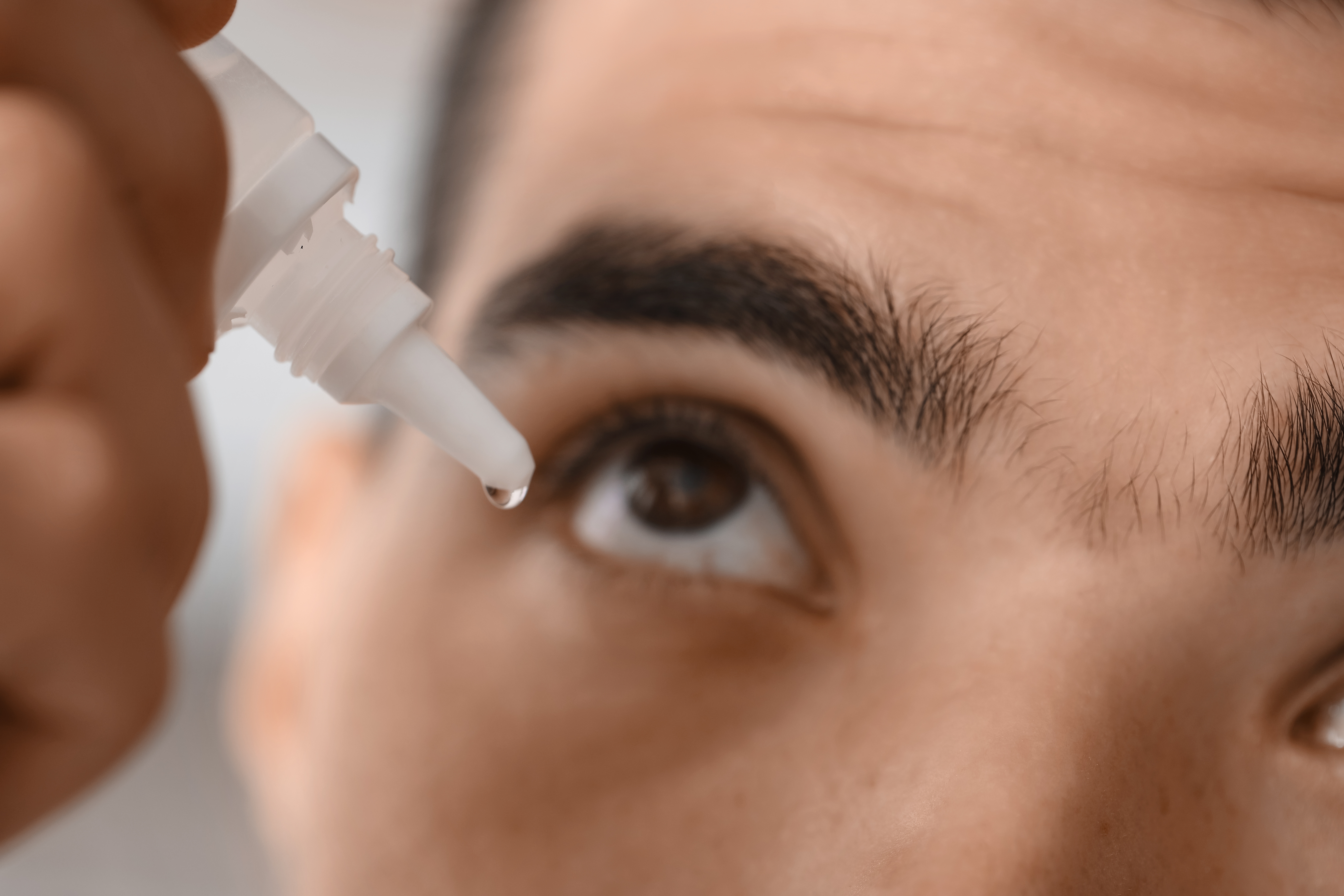
Summer is a great time to get outside, but heat, wind, pollen, sun exposure, and dry air can make dry eye symptoms worse. If your eyes feel gritty, watery, red, or tired after spending time outdoors, your tear film may not be staying balanced enough to keep your eyes comfortable.

Dry eye can be frustrating, especially when artificial tears only provide short-term relief. If your eyes often feel irritated, gritty, watery, or sensitive to light, the issue may be tied to inflammation or poor oil production in the eyelids. For many patients, IPL treatment for dry eye may be an effective option when standard home care is not enough.

Your baby’s first year is full of rapid growth, and vision plays a major role in how they learn, connect, and explore. From following your face to reaching for toys, healthy eyes help support important early milestones. Even when everything appears normal, some eye and vision concerns can be hard for parents to detect at home. That is why scheduling an InfantSEE eye exam before your baby’s first birthday is a simple, proactive way to support their development and overall eye health.

Many people wait until their vision changes to schedule an appointment, but routine eye exams are about more than updating a glasses prescription. Regular visits help catch changes in your vision, monitor eye health, and identify concerns before they become harder to manage.

If your eyes feel tired, dry, or strained after a long day at the computer, you’re not alone. In today’s digital world, many people spend hours each day staring at screens for work, school, and entertainment. This prolonged screen time can lead to Computer Vision Syndrome (CVS) - also known as digital eye strain. The good news is there are simple steps you can take to protect your eyes and regular comprehensive eye exams play a key role in prevention and relief.

Many people think a comprehensive eye exam and a contact lens exam are the same thing, but they are not. While both appointments are important for clear vision and healthy eyes, they serve different purposes. Knowing the difference can help you schedule the right type of visit and make sure your vision needs are fully addressed.

Vision development begins at birth, yet many eye and vision conditions show no obvious signs in infancy. The InfantSEE® Program was created to ensure babies receive a comprehensive eye and vision assessment during a critical stage of development - at no cost to families. Understanding how this program works can help parents make confident decisions about their child’s eye health.
Quick Links


Contact Info
Phone: (317) 477-3937
Fax: (317) 477-3939
Hours of Operation
- Monday 9:00pm - 5:00pm
- Tuesday 9:00am - 5:00pm
- Wednesday 9:00am - 6:00pm
- Thursday 9:00am - 5:00pm
- Friday 9:00am - 5:00pm
- Saturday CLOSED
- Sunday CLOSED
- We are closed from 12:30 - 1:30 daily for Lunch
© 2026 Wilson Eyecare Professionals. All rights Reserved. Accessibility Statement - Privacy Policy - Sitemap
Powered by:
