

What Is the InfantSEE Program - and Does Everyone Qualify?
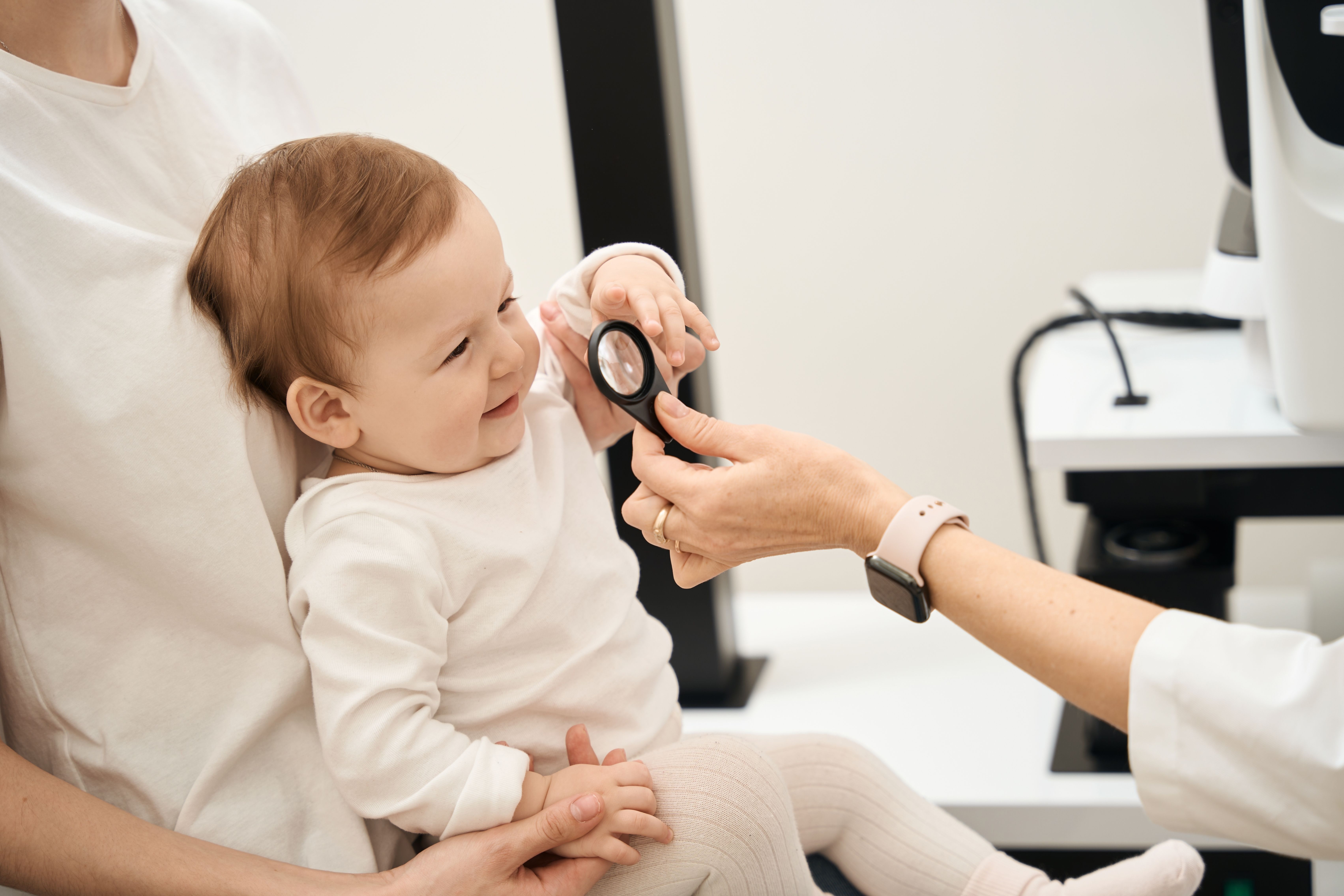
Vision development begins at birth, yet many eye and vision conditions show no obvious signs in infancy. The InfantSEE® Program was created to ensure babies receive a comprehensive eye and vision assessment during a critical stage of development - at no cost to families. Understanding how this program works can help parents make confident decisions about their child’s eye health.
What Is the InfantSEE® Program?
The InfantSEE® Program is a national public health initiative designed to ensure infants receive a comprehensive eye and vision assessment during their first year of life. Participating optometrists provide this exam at no cost, regardless of a family’s insurance status. The goal is to identify potential vision or eye health issues early - when treatment and intervention can make the greatest difference.
Why Are Eye Exams Important for Infants?
Even though babies can’t tell you if they’re having trouble seeing, their eyes and visual system are developing rapidly during the first year of life. Undetected issues can affect:
• Eye alignment and coordination
• Visual development and brain processing
• Depth perception
• Overall developmental milestones
Early eye exams can help detect conditions such as:
• Lazy eye (amblyopia)
• Eye turns (strabismus)
• Significant refractive errors (nearsightedness, farsightedness, astigmatism)
• Eye health concerns that may not show obvious symptoms
Identifying these concerns early often leads to simpler, more effective treatment.
What Happens During an InfantSEE® Eye Exam?
An InfantSEE® exam is safe, gentle, and specifically designed for infants during their first year of life. The evaluation is tailored to a baby’s developmental stage and focuses on how the eyes and visual system are developing, rather than on traditional vision tests used for older children and adults.
During the visit, your optometrist carefully assesses eye movement and alignment, how well the eyes focus and track objects, and the overall health of the eyes. The exam also allows the doctor to identify early signs of visual or neurological concerns that may not be noticeable at home.
Because infants cannot read letters or communicate what they see, the exam relies on specialized techniques and observations. No verbal responses are required from your child, and the entire visit is designed to be comfortable, reassuring, and stress-free for both baby and parent.
Does Everyone Qualify for the InfantSEE® Program?
The InfantSEE® Program is available to infants between 6 and 12 months of age. If your child falls within this age range, they are eligible for one no-cost InfantSEE® eye exam with a participating provider.
Key points to know:
• No insurance is required
• Income level does not affect eligibility
• The program covers one comprehensive exam during infancy
If your child is outside the 6-12 month window, regular pediatric eye exams are still highly recommended.
What Happens After the InfantSEE® Exam?
If your child’s exam results are normal, parents gain peace of mind knowing their child’s visual development is on track. If an issue is detected, your optometrist will discuss next steps, which may include monitoring, treatment, or referrals when needed. Early guidance helps parents make informed decisions and supports healthy vision as children grow.
Protect Your Child’s Vision from the Start
The InfantSEE® Program is an invaluable opportunity to protect your child’s vision from the very beginning. By offering a no-cost, comprehensive eye exam during the first year of life, this program helps identify potential concerns early - when care can have the greatest impact.
If your child is between 6 and 12 months old, now is the perfect time to schedule their InfantSEE® eye exam. Contact Wilson Eyecare Professionals at our office in Greenfield, Indiana, by calling (317) 477-3937 to book an appointment today.
Quick Links


Contact Info
Phone: (317) 477-3937
Fax: (317) 477-3939
Hours of Operation
- Monday 9:00pm - 5:00pm
- Tuesday 9:00am - 5:00pm
- Wednesday 9:00am - 6:00pm
- Thursday 9:00am - 5:00pm
- Friday 9:00am - 5:00pm
- Saturday CLOSED
- Sunday CLOSED
- We are closed from 12:30 - 1:30 daily for Lunch
© 2026 Wilson Eyecare Professionals. All rights Reserved. Accessibility Statement - Privacy Policy - Sitemap
Powered by:
